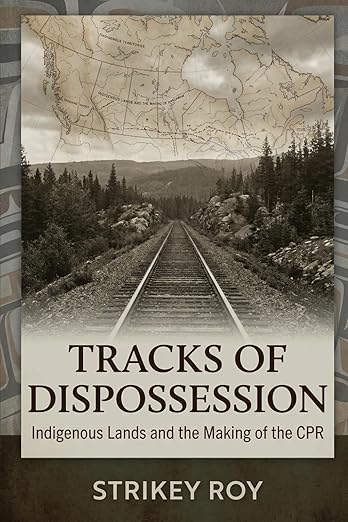
Tracks of Dispossession: Indigenous Lands and the Making of the CPR
$20.45
Description
Have you ever wondered what stories were pushed aside so a nation could be built by rail? Who paid the real price when tracks cut across living landscapes, and how those costs still shape the present?
Tracks of Dispossession answers those questions. This investigative history centers Indigenous voices and evidence to reveal how treaties, coercion, and broken promises accompanied the Canadian Pacific Railway as it moved across traditional territories. Drawing on oral histories, treaty texts, missionary and Indian agent correspondence, and modern legal analysis, the book reframes the railway not just as engineering and nation-building, but as a force of colonial transformation.
Who this book is for
- Readers who want a deeper, more honest account of Canada’s railway history.
- Students and scholars of Indigenous studies, legal history, environmental history, and settler colonialism.
- Policy makers, lawyers, and community leaders seeking lessons for land claims, reconciliation, and infrastructure planning.
What you will gain This book changes how you see the CPR and its legacy. You will understand the human and ecological costs of railway expansion and gain tools for listening to Indigenous testimony alongside archival records. Most importantly, you will see how historical dispossession connects to today’s legal disputes and land restoration efforts.
Key transformations for readers
- Replace a one-sided progress narrative with a layered, accountable history that centers Indigenous perspectives.
- Learn how treaties were negotiated, interpreted, and often broken in the railway’s shadow.
- See the material mechanics of dispossession, from right-of-way practices to engineering choices that severed sacred landscapes.
- Understand how oral histories fill gaps left by official records and change legal interpretations.
What you will find inside
- Analysis of government and CPR planning documents that treated Indigenous territories as obstacles or resources.
- Thirty-plus oral histories documenting altered travel routes, lost hunting grounds, and sacred sites cut by tracks.
- Case studies of resistance, from blockades and petitions to legal challenges and negotiated labor relationships.
- Legal chapters tracing how courts handled railway-linked claims.
- Exploration of cultural and environmental impacts, including disrupted migration routes and severed ceremonial pathways.
- Methodological guidance on ethically using oral testimony and community control of narratives.
- Contemporary connections to land claims, co-management initiatives, and proposals to reframe national stories.
Why this book matters now; Railway corridors continue to affect land rights, governance, and Indigenous cultures. As courts, governments, and communities negotiate the future, history can be a tool for justice or erasure. This book offers both a rigorous account and a roadmap for rethinking infrastructure and reconciliation.
Buy this book to see the full story of the CPR—not just the rails but the people and places changed by them. Read it to understand how past practices shape present choices. Share it with those who need an evidence-based account of railway-era dispossession and Indigenous resilience.


Reviews
There are no reviews yet.